
Pedobarography
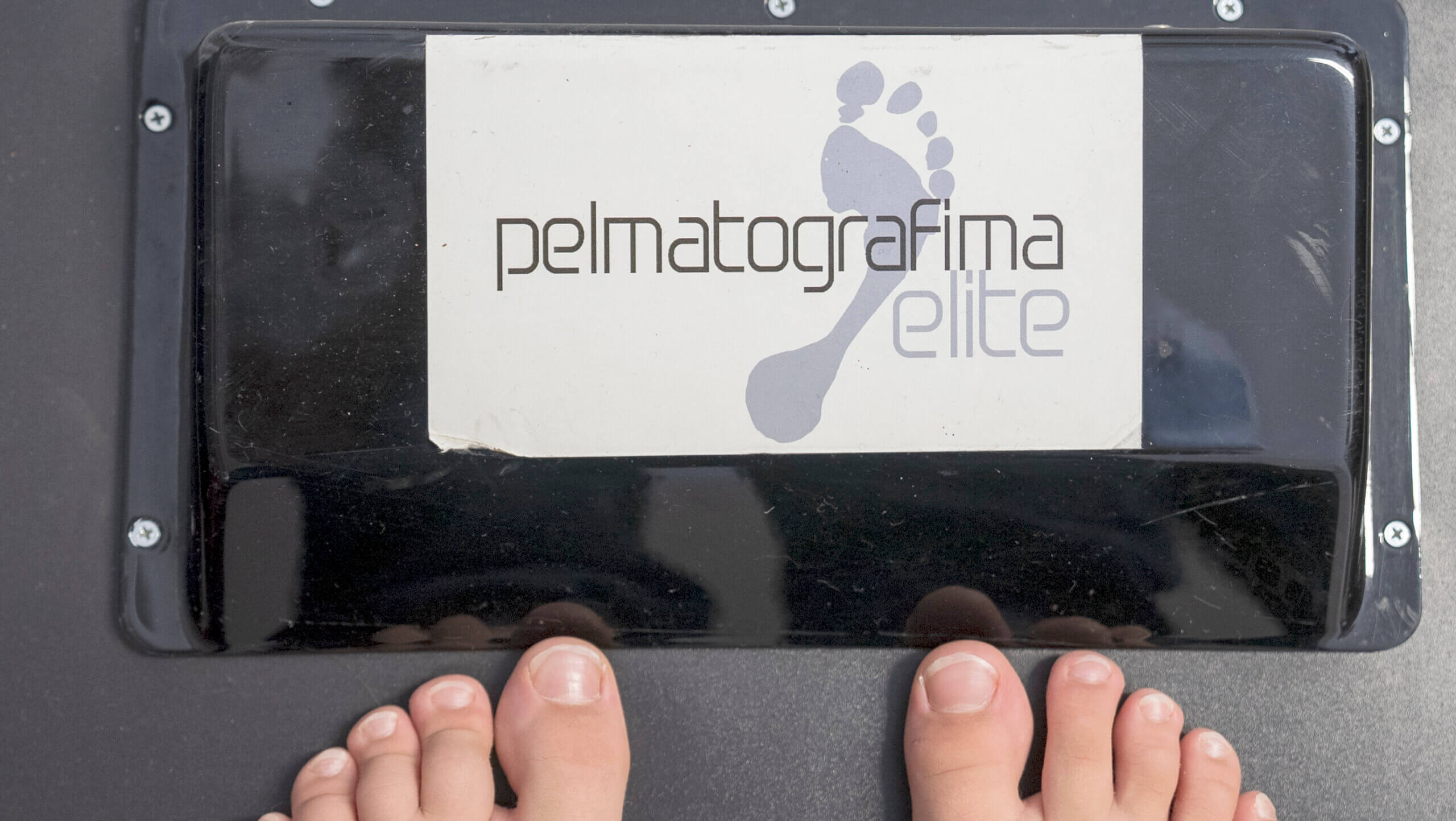
Pedobarography is a non-invasive diagnostic test performed using a specialized electronic device that does not involve radiation or radioactivity. This method records the distribution of pressure and forces exerted on the plantar surface of the foot, both in a static (standing) position and during gait. It provides valuable insights into lower limb disorders that may arise from poor posture or abnormal biomechanical function of the feet.
The collected data is thoroughly analyzed, and custom-made orthotic insoles are recommended accordingly. These insoles are designed to fit inside any type of footwear, offering correction, support, or offloading of the lower limbs and the spine. This examination is completely safe for both adults and children, delivering objective, evidence-based data for further evaluation of potential musculoskeletal pathologies.
Why is pedobarography performed?
Pedobarography is indicated for both preventive and therapeutic purposes, especially in individuals whose daily activities are limited due to lower limb or postural conditions.
Some common indications include:
Plantar pathologies (e.g., arch asymmetries), including flatfoot (pes planus), high-arched foot (pes cavus), valgus foot, metatarsal problems, and heel spurs (asymmetric bony overgrowth at the heel’s inferior surface)
Arthritis and osteoarthritis of the knees, hips, and spine
Low back pain during pregnancy or postpartum
Scoliosis, patellofemoral chondropathy (common in adolescent girls), calluses
Neuralgias, herniated intervertebral disc, sciatica, lumbago, and diabetic foot complications
Severe sprains, fractures of the lower limbs or pelvis
Leg length discrepancies (anisomelia)
What are the types of pedobarographic?
Pedobarography is divided into two main types:
- Static Analysis:
The patient stands still on a specialized pressure-sensitive platform. The device processes data related to the distribution, localization, and average mechanical pressure exerted on the lower limbs. It also measures distances, angles, and support surface, providing an analysis of the patient’s postural stability in an upright position. The results are digitally recorded and stored. - Dynamic Analysis:
The patient walks across the platform at a natural pace. The system analyzes gait phases, generates pressure distribution graphs, records peak pressures, contact time, and vertical force components of the body weight. It also compares static and dynamic measurements, facilitating side-to-side gait analysis. The dynamic test is usually repeated to confirm accuracy and consistency of the findings.
What happens after diagnosis?
Based on the evaluation, the patient may be prescribed custom orthopedic insoles, which are placed inside regular footwear, effectively transforming them into anatomical shoes. These insoles promote proper foot mechanics, preventing excessive pronation or supination, and enhancing shock absorption during walking or running.
In cases of anatomical deviations of the lower limbs, treatment may also involve passive and proprioceptive support tools, alongside a personalized exercise program aimed at restoring optimal anatomical alignment.
Almost immediately after fitting the orthotics, patients experience pain relief and functional restoration of the foot, while protecting the lower limbs and lumbar spine from further injury or chronic degeneration.
Summary
Pedobarography is a quick, painless, and highly informative test that helps patients identify and address chronic pain conditions, while preventing further progression. The absence of radiation makes it completely safe and suitable for all age groups, significantly contributing to the improvement of daily function and overall quality of life.