
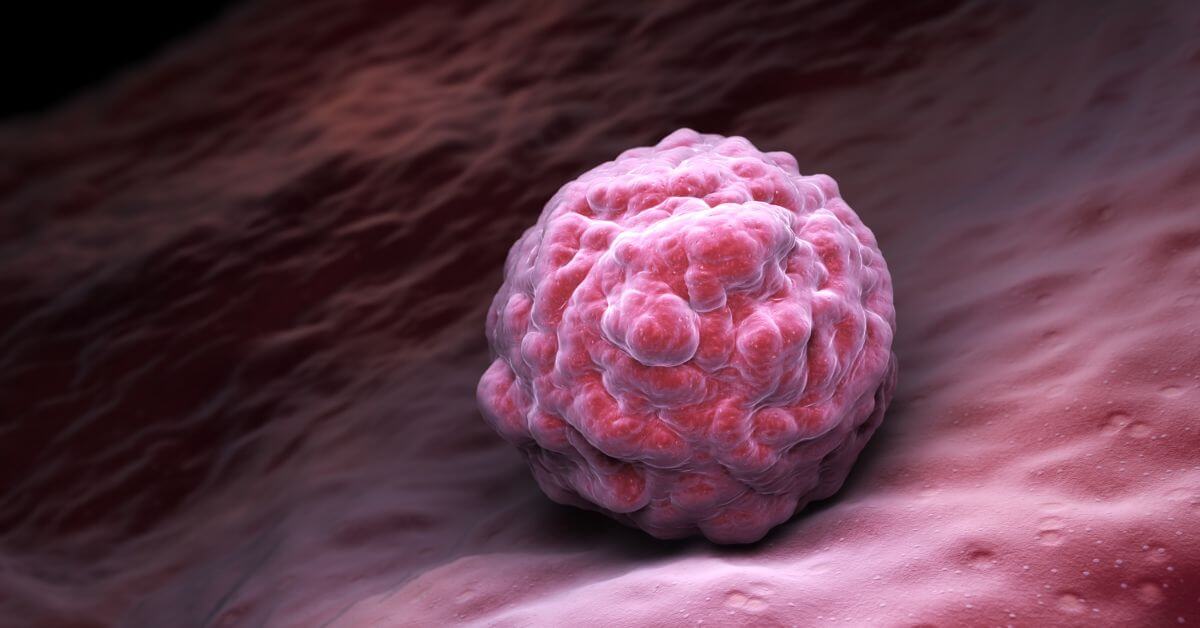
What are stem cells?
Hundreds of different types of cells constitute the human body. Among them, stem cells are considered one of the most important, as they are precursor forms of all other cells. Their significance lies in the fact that, under the appropriate conditions, they can transform into any other type of cell present in the body. The properties that make stem cells so useful include:
Firstly, they multiply and self-renew for extended periods.
They replace any type of cell damage.
They have not developed specialized structures or constructed proteins, meaning they are undifferentiated.
Stem cells used in orthopedics are derived from vital tissues in the adult body (such as bone marrow, fat, etc.), which have the ability to self-renew.
Why are stem cells so important for our health?
The reason stem cells are so important is their ability to activate when we become ill or injured. In these situations, stem cells act by repairing damaged tissues and replacing dead cells. As a result, they contribute to maintaining good health and preventing premature aging.
Where are stem cells used in treatment, and what are their future potential in medicine?
Currently, proven and validated stem cell therapies include bone marrow transplantation and treatments for skin and corneal repair. In the future, their use as a therapeutic method will be extremely significant for the advancement of medicine, as stem cells have the potential to replace damaged or dead cells. Due to this ability, stem cells can be given to patients to treat specific conditions as needed.
Role of Stem Cells in Orthopedics
Autologous adult stem cells (cells derived from the patient’s own body) have begun to be used for the treatment of many chronic degenerative musculoskeletal diseases, such as osteoarthritis, tendonitis, and tendon ruptures. Currently, stem cells are used in degenerative conditions of the shoulder, knee, hip, and spine, as well as in soft tissue injuries (muscles, tendons, ligaments) and bone-related injuries.
The Process
This method has been in use for several years internationally and in Greece. What is relatively new, however, is that surgical or arthroscopic sampling for culture and the surgical transplantation of stem cells is no longer required.
The process has been simplified, is painless, and minimally invasive, and it is carried out by a specialized orthopedic surgeon in the office. Both the collection and the injection (transplantation) of stem cells are done in the office.
Once the stem cells are placed in the damaged area, they have a triple action:
They slow down the degeneration of cartilage by limiting the damage.
They secrete growth factors that have anti-inflammatory effects, thereby reducing pain and increasing joint mobility.
Most importantly, they promote cartilage regeneration, leading to the healing of the damage and the avoidance of surgery.
Results
The results of this method are highly successful, with a significant percentage of patients responding positively to the treatment and avoiding surgery. Specifically, a substantial percentage shows significant pain reduction within the first two weeks and improved joint mobility within three months.