
Arthroscopy is a surgical procedure in which the orthopedic surgeon uses a special camera with a diameter of 3-5mm to observe the interior of a joint with the help of specialized equipment.
With arthroscopy, the surgeon can identify, diagnose, and treat intra-articular problems.
Arthroscopy is performed most frequently on the knee and shoulder, and less commonly on the ankle, hip, elbow, wrist, and spine.
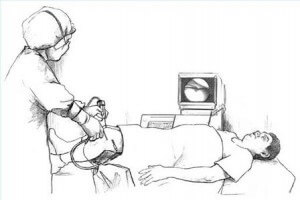
With arthroscopy requires only small skin incisions, and the surgical trauma to the underlying tissues is minimal. As a result, postoperative pain is significantly less compared to open surgeries that involve larger incisions; recovery is better, and unsightly scars on the skin are avoided. In the majority of arthroscopic procedures, patients can return home just a few hours after surgery.
Moreover, arthroscopy offers improved visibility inside the joint compared to open surgeries. It also allows inspection of all parts of the joint in a relatively atraumatic and quick manner.
Many surgical procedures that are traditionally performed as open surgeries can be done arthroscopically, although the opposite is not true.
Indications for shoulder arthroscopy
Shoulder arthroscopy is indicated for the treatment of the following conditions:
- Tear or detachment of the labrum
- Tear of shoulder ligaments in dislocations or instability
- Disorders of the biceps tendon
- Rotator cuff tendon tears
- Impingement syndrome
- Shoulder stiffness and frozen shoulder
- Articular cartilage damage
- Certain intra-articular fractures
- Presence of arthritis and foreign bodies
- Inflammation of the synovial membrane in arthritis
- Disorders of the acromioclavicular joint
Knee Arthroscopy
Knee arthroscopy is a minimally invasive procedure that helps diagnose and treat intra-articular knee problems. During the procedure, all intra-articular elements of the knee can be visually and manually examined, including the cruciate ligaments, medial and lateral menisci, and the articular cartilage covering the bones.
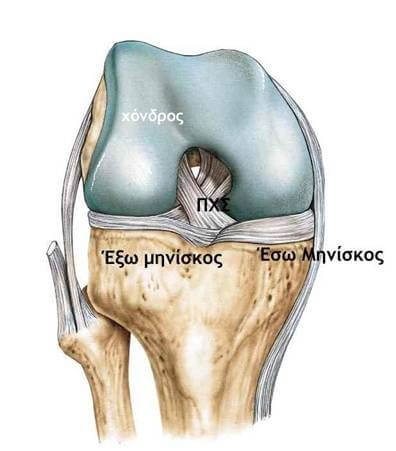 The knee joint is formed by the connection of the femur and the tibia. The bone surfaces are covered by articular cartilage, and the Anterior Cruciate Ligament (ACL) connects them. Between the articular surfaces lie the two menisci, medial and lateral.
The main indications for knee arthroscopy include:
- Diagnosis of intra-articular knee problems
- Meniscal tears
- Reconstruction of the anterior cruciate ligament
- Reconstruction of the posterior cruciate ligament
- Removal of loose bodies
- Osteochondral lesions
- Arthritis
- Synovial disorders
- Selected tibial plateau fractures
- Septic arthritis
The duration of the surgery depends on the surgeon’s experience and the type of intra-articular injury. Arthroscopic meniscectomy takes about 15 minutes, while ACL reconstruction with an autograft takes approximately 1 hour.
Below are some selected images from knee arthroscopy.
What are the disadvantages of arthroscopy?
Arthroscopy has few disadvantages but many advantages. The main advantages include minimal joint trauma, low morbidity, low risk of complications, small wounds, short hospital stays, minimal or no postoperative pain, and better diagnosis and treatment of problems.
However, success depends on the surgeon’s experience and specialized training, accurate preoperative diagnosis, good surgical technique, and appropriate equipment.
What type of anesthesia is used?
Usually, a combination of regional anesthesia with general anesthesia using a laryngeal mask is applied. With this anesthesia, the patient inhales an anesthetic gas and sleeps during the surgery without suppression of the central nervous system and the respiratory center. Minimal drugs are used compared to general anesthesia, and the patient breathes independently without relying on a ventilator. Advantages of this method include safe anesthesia, postoperative analgesia, immediate mobilization, and rapid discharge from the hospital.
How long is the hospital stay?
Hospital stay after meniscectomy is approximately 3 hours, while after ligament reconstruction it is about 1 day.
How much pain will I have the day after surgery?
Knee arthroscopy for meniscal tears is almost painless. Patients can walk with crutches and bend the knee significantly immediately after surgery.
What are the risks of arthroscopy?
Complications are relatively few and may be related to anesthesia or the surgery itself. In general, all complications are reversible and manageable.
When does physical therapy begin?
Rehabilitation starts immediately after surgery in the recovery room, where the patient is asked to begin moving their limbs and encouraged to fully mobilize once returned to their room. A full physical therapy program begins the next day.